
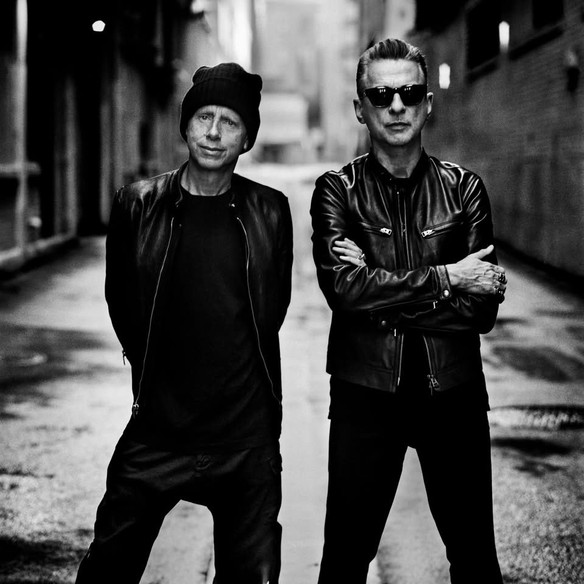
Formed in 1980 in Basildon, Essex, Depeche Mode emerged as pioneers of the electronic and synth-pop movements, evolving over the decades into one of the most influential bands in modern music. Their journey from humble beginnings to global stardom is marked by innovative soundscapes, profound lyrics, and a resilience that has seen them navigate internal challenges and industry changes alike.
Early Years and Formation
Depeche Mode's origins trace back to school friends Vince Clarke and Andy Fletcher, who initially played in a band called No Romance in China. They later joined forces with Martin Gore, forming the trio Composition of Sound. The addition of Dave Gahan as lead vocalist in 1980 led to the rebranding of the group as Depeche Mode, a name inspired by a French fashion magazine. Their early work was characterized by catchy melodies layered over electronic instrumentation, a fresh sound that quickly garnered attention.
Debut Album: Speak & Spell
In 1981, Depeche Mode released their debut album, Speak & Spell, which featured the hit single "Just Can't Get Enough." The album's upbeat synth-pop tracks showcased Vince Clarke's songwriting prowess. However, Clarke's departure later that year to form Yazoo marked a pivotal shift for the band.
Transition and Evolution
Following Clarke's exit, Martin Gore assumed the role of principal songwriter, steering Depeche Mode towards darker and more complex themes. Albums like A Broken Frame (1982) and Construction Time Again (1983) reflected this evolution, with tracks such as "Everything Counts" highlighting socio-political commentary. The band's sound matured further with Some Great Reward (1984), featuring the provocative single "People Are People," which addressed issues of intolerance and prejudice.
Breakthrough with Black Celebration and Music for the Masses
The mid-1980s saw Depeche Mode embracing a more gothic and brooding aesthetic. Black Celebration (1986) delved into themes of love, pain, and societal disillusionment, solidifying their departure from early pop sensibilities. Music for the Masses (1987) expanded their sonic palette and included standout tracks like "Strangelove" and "Never Let Me Down Again." The subsequent tour culminated in a landmark performance at the Pasadena Rose Bowl, attended by over 60,000 fans, underscoring their growing popularity in the United States.
Violator
Released on 19 March 1990, Violator is often hailed as Depeche Mode's magnum opus. The album seamlessly blended electronic music with rock elements, producing a polished yet emotionally resonant sound. Key tracks include:
-
"Personal Jesus": A departure from their previous work, this track featured a bluesy guitar riff intertwined with electronic beats. Its exploration of televangelism and the commodification of religion resonated with audiences, making it one of their most successful singles.
-
"Enjoy the Silence": Initially conceived as a slow ballad, it was transformed into an upbeat anthem that became one of Depeche Mode's most iconic songs. The track's meditation on communication and the power of silence struck a chord globally.
-
"Policy of Truth": This song delved into themes of honesty and consequence, wrapped in a danceable groove that showcased the band's versatility.
Violator achieved critical and commercial success, selling over 15 million copies worldwide and earning a spot on various "greatest albums" lists.
Continued Success and Challenges
The early 1990s brought further acclaim with the release of Songs of Faith and Devotion (1993), which debuted at number one in several countries. However, this period also introduced challenges, including internal tensions and personal struggles, particularly for lead singer Dave Gahan. Despite these hurdles, the band persevered, releasing Ultra in 1997 and embarking on successful tours.
21st Century and Legacy
Depeche Mode continued to adapt and innovate into the new millennium. Albums like Exciter (2001), Playing the Angel (2005), and Delta Machine (2013) showcased their ability to evolve while maintaining their distinctive sound. Their 14th studio album, Spirit (2017), addressed contemporary socio-political issues, reflecting the band's enduring relevance.
In 2020, Depeche Mode was inducted into the Rock and Roll Hall of Fame, a testament to their significant impact on the music industry. The untimely passing of founding member Andy Fletcher in 2022 marked the end of an era, but the band's legacy continues to influence countless artists across genres.
Depeche Mode's journey from the early 1980s to the present day is a testament to their innovation, resilience, and ability to connect with audiences worldwide. Their evolution from synth-pop beginnings to a darker, more complex sound has solidified their place as pioneers in electronic music. Violator remains a standout album in their discography, encapsulating the essence of their artistry and the era in which it was created. For fans and newcomers alike, Depeche Mode's music offers a rich tapestry of sound and emotion, reflecting the complexities of the human experience.