
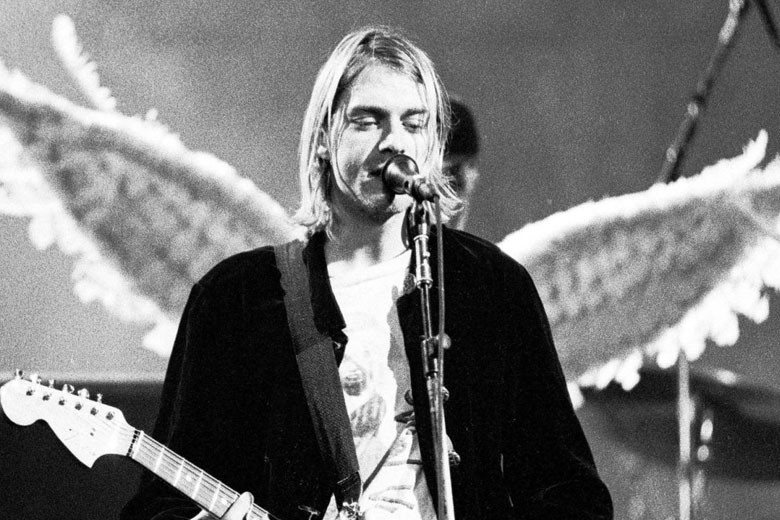
Kurt Cobain: The Reluctant Icon Who Changed the Face of Rock
Kurt Cobain, the frontman of Nirvana, became an icon of his generation almost overnight, thanks to his unique musical vision, poetic lyricism, and raw vulnerability. Cobain’s honest approach to music, combined with Nirvana’s raw sound, transformed the music landscape in the early 1990s and brought grunge into the mainstream. With songs that expressed deep inner turmoil and a haunting authenticity, Cobain connected with listeners in a way that felt deeply personal, making him one of the most influential figures in modern rock history.
In this post, we’ll explore Cobain’s musical journey, his impact on rock music and youth culture, and his enduring legacy as a reluctant spokesperson for a generation.
Early Life and Love for Music
Kurt Cobain was born in Aberdeen, Washington, in 1967. Growing up in a small, working-class town, he had a challenging childhood shaped by family turmoil and a sense of isolation. Cobain found solace in music early on, influenced by rock, punk, and alternative sounds. He admired the raw energy of bands like Black Flag, Melvins, and Pixies, and from an early age, he was drawn to the DIY ethic of punk music, finding freedom in its rebellious spirit and anti-establishment attitude.
Cobain began playing guitar as a teenager, and his passion for music quickly became an outlet for his emotions and a means of self-expression. Inspired by the raw authenticity of punk, he wanted to create music that was both visceral and real, and that would allow him to share his innermost thoughts and struggles. His personal experiences and desire to connect with others on an emotional level would later become the cornerstone of his songwriting style.
The Formation of Nirvana: Grunge Takes Shape
In 1987, Cobain formed Nirvana with bassist Krist Novoselic and, later, drummer Dave Grohl. Together, they created a sound that blended punk energy, heavy guitar riffs, and introspective lyrics. The Seattle music scene was thriving at the time, with bands like Soundgarden, Alice in Chains, and Pearl Jam also emerging, and Nirvana quickly found a home in the underground grunge movement.
The band’s debut album, Bleach, was released in 1989 on Sub Pop Records and was well-received in the local scene. While Bleach showcased the band’s punk influences, it was their second album, Nevermind (1991), that catapulted Nirvana to global fame. With Nevermind, Nirvana moved from the underground to the mainstream, capturing the angst of a generation disillusioned with the status quo.
Nevermind: The Album That Changed Everything
In 1991, Nirvana released Nevermind, an album that would redefine rock music. Driven by Cobain’s songwriting, Nevermind combined the raw energy of punk with infectious hooks and an undeniable emotional depth. The album’s lead single, "Smells Like Teen Spirit", became an anthem of Generation X and propelled the album to the top of the charts.
Nevermind featured songs like "Come as You Are," "Lithium," and "In Bloom," which reflected Cobain’s disillusionment, self-doubt, and longing for authenticity. The album’s sound was both aggressive and melodic, characterized by heavy distortion, gritty vocals, and a dynamic, unpredictable energy. With lyrics that spoke to the feelings of isolation, frustration, and introspection, Cobain connected with listeners who felt the same way, capturing the voice of a generation that often felt misunderstood.
"Smells Like Teen Spirit" became a cultural phenomenon, with its iconic opening riff and Cobain’s raspy vocals expressing a powerful mix of rebellion and vulnerability. The song’s success brought grunge into the mainstream and made Nirvana a household name, but it also thrust Cobain into a spotlight he never sought. Despite the overwhelming success of Nevermind, Cobain remained uncomfortable with fame and struggled with the idea of being a spokesperson for a generation.
Cobain’s Unique Songwriting and Vulnerability
Kurt Cobain’s songwriting was as introspective as it was powerful. His lyrics were often cryptic and metaphorical, but they conveyed a raw honesty that resonated deeply with fans. Cobain wrote about his experiences and feelings with an unfiltered approach, addressing topics like alienation, love, mental health, and self-doubt. He was deeply influenced by punk’s authenticity and despised the commercialism that often came with mainstream success, wanting his music to reflect a true and unpolished expression of himself.
Songs like "Something in the Way" and "Heart-Shaped Box" reveal Cobain’s ability to explore dark and complex emotions in a way that felt both confessional and universal. His lyrics often blended abstract imagery with moments of intense vulnerability, allowing listeners to find their own interpretations and connect with his music on a personal level.
Cobain’s songwriting, combined with his distinctive voice—a mix of fragile, haunting whispers and powerful, anguished screams—helped create a sound that was uniquely his. His music captured a sense of unfiltered emotional expression, and his openness about his struggles with mental health and addiction made him a relatable figure for many who felt similarly lost and misunderstood.
In Utero: A Return to Raw Expression
Following the success of Nevermind, Cobain and Nirvana felt pressured to create a follow-up album that would be true to their artistic vision. In 1993, they released In Utero, an album that was both darker and more experimental than its predecessor. In Utero represented Cobain’s desire to distance himself from mainstream expectations, and the album’s raw sound and introspective lyrics reflected his conflicted feelings about fame and personal struggles.
With songs like "Heart-Shaped Box," "Rape Me," and "All Apologies," In Utero was a complex and deeply personal album. It explored themes of identity, existential pain, and the tension between Cobain’s desire for authenticity and his discomfort with the demands of fame. The album was both a critical and commercial success, and it solidified Cobain’s reputation as a musician who was unafraid to confront his demons through his art.
In Utero showcased Cobain’s lyrical depth and willingness to address topics that were often left unspoken, giving fans a glimpse into his psyche and further solidifying his legacy as an artist who was as sincere as he was influential.
The Reluctant Icon of Generation X
Kurt Cobain never intended to become a spokesperson for his generation, but his music resonated with the youth of the 1990s in a way that few artists have managed. As grunge became a defining sound of the era, Cobain was often hailed as the "voice of a generation"—a title he struggled with. His discomfort with fame and the pressures of celebrity life often led him to retreat from the public eye, and he became a reluctant icon, admired for his refusal to conform to industry standards or societal expectations.
Cobain’s style, from his flannel shirts and ripped jeans to his messy blond hair, became synonymous with the grunge movement, symbolizing authenticity and rebellion against the polished image of mainstream rock. His persona resonated with those who felt disconnected from the norms of society, and his music became an anthem for those who felt lost, misunderstood, or yearning for something more genuine.
The Legacy of Kurt Cobain and Nirvana
Kurt Cobain’s influence on music and culture remains profound. As the leader of Nirvana, he introduced the world to a new kind of rock music—one that was raw, emotionally honest, and unafraid to explore dark and difficult themes. Cobain’s legacy as an artist who embraced vulnerability and authenticity continues to inspire musicians, from Eddie Vedder and Dave Grohl to modern artists like Billie Eilish and Post Malone.
Nirvana’s success paved the way for alternative rock, bringing the grunge movement to mainstream audiences and setting the stage for bands like Soundgarden, Pearl Jam, and Alice in Chains to thrive. Cobain’s music still resonates with listeners today, with songs like "Smells Like Teen Spirit," "Lithium," and "Heart-Shaped Box" considered timeless anthems of youth rebellion and introspection.
Remembering Kurt Cobain: A Legend and Reluctant Hero
Though his life ended tragically in 1994, Kurt Cobain’s legacy as a musician, poet, and cultural icon endures. His music captured the emotions of a generation, speaking to the complexities of life with a depth and sincerity that few have achieved. Cobain’s influence on alternative music and his commitment to authenticity have left an indelible mark on rock, making him an enduring symbol of both artistic integrity and the search for truth in music.
Today, Kurt Cobain is remembered not only for his music but for his honesty, vulnerability, and the impact he had on those who felt disconnected from mainstream culture. His life may have been short, but his contributions to music and his role as a voice for those seeking authenticity remain timeless, inspiring listeners and musicians around the world to embrace their true selves.