
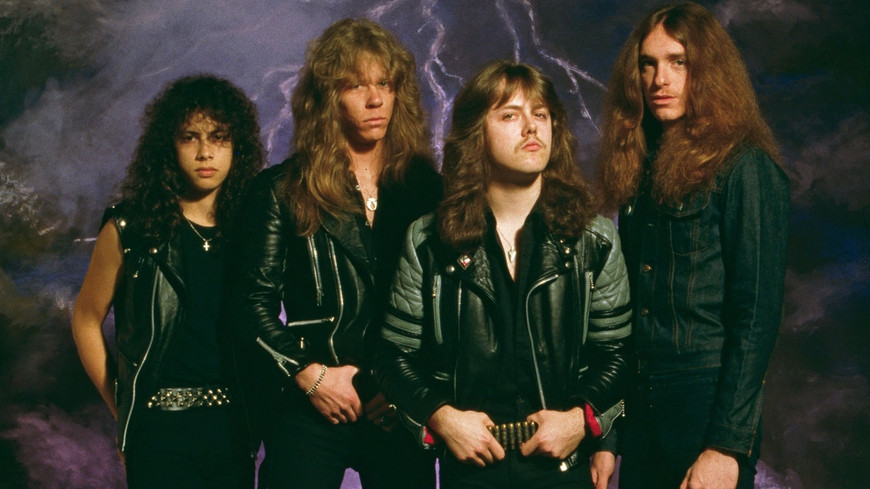
Metallica: Thrash Metal Titans and Global Icons
Click HERE for our Metallica collection
Metallica stands as one of the most influential and successful heavy metal bands of all time. As pioneers of thrash metal and a central force in the Big Four alongside Slayer, Megadeth, and Anthrax, Metallica redefined what metal could be—pushing the genre’s boundaries with technical prowess, speed, and intricate song structures. Over the years, Metallica has evolved from underground thrash heroes to one of the most globally recognised and commercially successful metal acts, selling millions of albums and packing out stadiums worldwide. Their journey from the gritty metal clubs of the 1980s to worldwide stardom is nothing short of legendary.
The Formation of Metallica: The Beginnings of Thrash
Metallica was formed in 1981 by drummer Lars Ulrich and guitarist/vocalist James Hetfield in Los Angeles. Soon after, they relocated to San Francisco, where they became key figures in the Bay Area thrash metal scene. With their early demos, including the legendary No Life 'Til Leather, Metallica quickly gained a reputation for their fast, aggressive sound, characterised by complex riffs and rapid tempos.
The early lineup solidified when guitarist Kirk Hammett joined the band, replacing Dave Mustaine, who would go on to form Megadeth. With bassist Cliff Burton completing the group, Metallica began crafting their distinct blend of thrash metal, mixing breakneck speed with technical proficiency and darker, more introspective lyrics.
Kill ‘Em All: Thrash Metal’s Raw Beginnings
In 1983, Metallica unleashed their debut album, Kill ‘Em All, and it sent shockwaves through the metal scene. The album was raw, fast, and relentless—helping to lay the foundation for what would become thrash metal. Tracks like "Seek and Destroy" and "Whiplash" became instant thrash anthems, combining speed, aggression, and unforgettable riffs. Hetfield’s snarling vocals and the band’s tight musicianship set them apart from the more polished heavy metal acts of the time.
Kill ‘Em All introduced Metallica to a growing fanbase of metalheads hungry for something heavier and more aggressive than the mainstream metal of the early 80s. The album marked the beginning of a new era for metal, where speed and intensity reigned supreme.
Ride the Lightning: Evolution and Complexity
Metallica followed up their debut with Ride the Lightning in 1984, a pivotal album that saw the band taking their sound to new heights. While maintaining the aggression of Kill ‘Em All, Ride the Lightning introduced more complex song structures, deeper lyrical themes, and an expanded sonic palette. The album explored darker and more philosophical topics, including death, fear, and existential crisis.
Songs like "For Whom the Bell Tolls" and "Fade to Black" showcased Metallica’s ability to blend heavy riffs with melody, while the title track and "Creeping Death" delivered the high-speed thrash fans had come to expect. Ride the Lightning marked Metallica’s first significant step towards becoming a truly innovative force in metal, and it remains a cornerstone of their discography.
Master of Puppets: Thrash Metal’s Masterpiece
In 1986, Metallica released Master of Puppets, a record that is widely regarded as one of the greatest metal albums of all time. With its intricate compositions, searing guitar work, and powerful lyrics, Master of Puppets elevated thrash metal to new heights of artistic and technical achievement. The title track, "Master of Puppets", dealt with themes of addiction and control, becoming one of Metallica’s most iconic songs.
Other standout tracks like "Battery", "Disposable Heroes", and "Leper Messiah" solidified Metallica’s reputation as one of the fastest and most skilled bands in metal. The album’s complexity, particularly in tracks like the instrumental "Orion", demonstrated Metallica’s growth as musicians and songwriters.
Tragically, bassist Cliff Burton was killed in a tour bus accident while the band was promoting Master of Puppets in Sweden. His death was a devastating blow to the band and their fans, but Metallica soldiered on, honouring his legacy with the music they would go on to create.
…And Justice for All: Political Outrage and Technical Mastery
In 1988, Metallica released …And Justice for All, an album that took their sound in a darker, more progressive direction. Featuring new bassist Jason Newsted, the album’s songs were longer and more complex, with intricate time changes and highly technical musicianship. Lyrically, …And Justice for All was a scathing critique of political corruption, war, and the justice system.
Tracks like "One" and "Blackened" became instant classics, with "One" telling the haunting story of a soldier trapped in his own body after a war injury. The song’s climactic build and explosive finish made it one of Metallica’s most memorable live tracks.
While …And Justice for All was praised for its technical mastery, it also became infamous for its thin production, particularly the near-absence of bass in the mix. Despite this, the album remains a critical and fan favourite and marked Metallica’s first foray into mainstream success, with "One" receiving heavy airplay on MTV.
The Black Album: Thrash Meets the Mainstream
In 1991, Metallica released their self-titled fifth album, commonly referred to as The Black Album. This record marked a significant departure from their thrash metal roots, featuring more concise song structures and a heavier, more accessible sound. The album was a massive commercial success, with singles like "Enter Sandman", "The Unforgiven", and "Nothing Else Matters" dominating radio and MTV.
The Black Album introduced Metallica to a mainstream audience, making them one of the biggest bands in the world. The album’s success was unprecedented, and it remains one of the best-selling albums in music history. While some longtime fans criticised the band for "selling out", The Black Album solidified Metallica’s status as global rock icons.
Notable Gigs: Metallica’s Iconic Live Performances
Metallica’s live shows are legendary for their energy, intensity, and scale. Over the years, the band has delivered countless unforgettable performances. Here are a few of their most iconic gigs:
- Monsters of Rock, Moscow (1991): Metallica performed in front of an estimated 1.6 million people in Moscow during the Monsters of Rock festival. This historic concert took place just months after the collapse of the Soviet Union and remains one of the largest free concerts in history.
- S&M (1999): In one of their most unique live performances, Metallica teamed up with the San Francisco Symphony Orchestra for a series of shows that merged their heavy metal sound with classical orchestration. The resulting S&M album and live DVD captured the band in a new light, blending the ferocity of their music with the grandeur of a full orchestra.
- The Big Four Shows (2010-2011): Metallica headlined a series of concerts that brought together the Big Four of thrash metal—Metallica, Slayer, Megadeth, and Anthrax—for the first time in history. These shows were a celebration of thrash metal’s legacy and solidified Metallica’s place at the top of the metal hierarchy.
Band Members: The Faces of Metallica’s Evolution
James Hetfield, the band’s co-founder, vocalist, and rhythm guitarist, is the heart and soul of Metallica. His distinctive voice, powerful riffing, and introspective lyrics have shaped the band’s sound and identity for over four decades.
Lars Ulrich, Metallica’s co-founder and drummer, is known for his relentless energy and precision behind the kit. Ulrich’s driving rhythms and passion for the band’s vision have been crucial to Metallica’s longevity and success.
Kirk Hammett, who replaced Dave Mustaine in 1983, has been Metallica’s lead guitarist for most of their career. His melodic yet aggressive solos have become a key element of the band’s sound.
Robert Trujillo, the band’s bassist since 2003, brought a new dynamic to Metallica’s live shows with his energetic stage presence and groove-oriented bass playing. Before Trujillo, Cliff Burton and Jason Newsted each left their mark on the band’s early and mid-career, contributing to Metallica’s evolving sound.
Metallica’s Legacy: Thrash Metal Legends and Global Icons
Over four decades, Metallica has cemented their place as one of the most important bands in the history of heavy metal. From their thrash metal roots with Kill ‘Em All and Ride the Lightning to their mainstream domination with The Black Album, Metallica has continually pushed the boundaries of metal while remaining true to their core sound. Their influence on countless bands and their ability to connect with fans around the globe is a testament to their enduring power and legacy.
At Eyesore Merch, we celebrate Metallica’s legendary career with 100% official merchandise that captures the band’s journey from thrash pioneers to global icons. Whether you’re after classic t-shirts, hoodies, or records, our Metallica collection has everything you need to show your allegiance to one of metal’s most iconic bands. Shop now and earn Eye Points as you explore our selection of Metallica merch, perfect for die-hard fans and new listeners alike!