
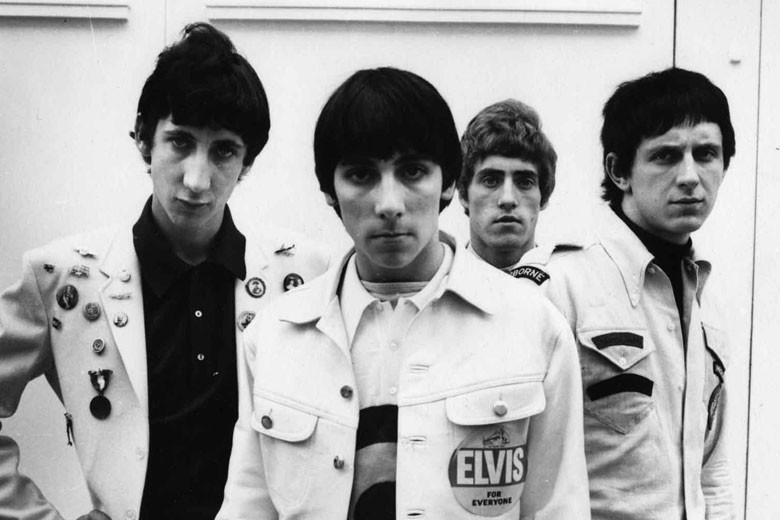
The Who: Rock Revolutionaries and Mod Icons
Click HERE for our The Who Collection
Few bands have left as profound an impact on rock music as The Who. From their beginnings as pioneers of the Mod movement in the 1960s to their evolution into one of the most innovative and influential rock bands in history, The Who helped shape the sound of rock for generations to come. Known for their explosive live performances, anthemic songs, and pioneering use of the rock opera format, The Who bridged the gap between the rebellious spirit of the 60s and the stadium rock dominance of the 70s. Albums like Tommy, Who’s Next, and Quadrophenia remain defining works of rock music.
The Formation of The Who: From Mods to Rock Icons
The Who was formed in London in 1964 by guitarist Pete Townshend, vocalist Roger Daltrey, bassist John Entwistle, and drummer Keith Moon. Initially playing as part of the British Mod subculture, the band quickly gained a reputation for their energetic performances and rebellious attitude. Their early hit singles, including "I Can’t Explain" and "My Generation", became anthems for disaffected youth and firmly established The Who as one of the leading bands of the British Invasion.
While the Mod scene embraced sharp suits and scooters, The Who’s music was anything but restrained. Their raw energy, feedback-heavy guitars, and Moon’s explosive drumming style set them apart from other pop bands of the era. The iconic line from "My Generation"—“Hope I die before I get old”—perfectly captured the spirit of youthful rebellion, and it became the rallying cry of a generation.
Tommy: The First Rock Opera
In 1969, The Who took a bold step forward with the release of Tommy, widely regarded as the first rock opera. Written by Pete Townshend, Tommy tells the story of a deaf, dumb, and blind boy who becomes a pinball champion and spiritual leader. The album was a groundbreaking fusion of narrative storytelling and rock music, pushing the boundaries of what rock could be.
Songs like "Pinball Wizard" and "I’m Free" became instant classics, but Tommy was more than just a collection of songs—it was an ambitious concept album that explored deeper themes of identity, trauma, and salvation. The album’s success cemented The Who’s status as one of the most innovative bands of their time.
Tommy was later adapted into a film and stage production, and its influence can still be felt in rock music today, inspiring countless artists to experiment with the concept album format.
Who’s Next: The Ultimate Rock Album
Following the success of Tommy, The Who returned with Who’s Next in 1971, an album that is often regarded as one of the greatest rock albums ever recorded. Originally conceived as part of Townshend’s ambitious Lifehouse project, Who’s Next distilled the best elements of the band’s evolving sound into a tight, powerful record.
The album opens with "Baba O'Riley", featuring Townshend’s innovative use of synthesizers and the iconic “teenage wasteland” chorus, which became an anthem for alienation and youthful defiance. Other standout tracks include "Behind Blue Eyes", which showcases Daltrey’s emotive vocals, and "Won’t Get Fooled Again", a hard-hitting critique of political revolution that closes with one of the most famous screams in rock history.
Who’s Next blended the raw energy of The Who’s earlier work with a more mature and refined sound, combining rock, synths, and epic arrangements. It was a massive commercial and critical success, solidifying The Who’s place as one of the biggest bands in the world.
Quadrophenia: A Rock Opera Revisited
In 1973, The Who returned to the rock opera format with Quadrophenia, a double album that chronicled the struggles of Jimmy, a young Mod from London dealing with identity crises, mental health issues, and societal pressures. The album is a powerful exploration of youth culture, alienation, and the search for meaning, set against the backdrop of the early 60s Mod scene that The Who helped define.
Quadrophenia features some of the band’s most powerful and emotionally resonant songs, including "The Real Me", "5:15", and "Love, Reign O'er Me". Townshend’s complex narrative, combined with the band’s explosive performances, makes Quadrophenia one of their most ambitious and celebrated works.
The album’s exploration of youth disillusionment and self-discovery continues to resonate with audiences today, and its accompanying film adaptation in 1979 introduced the album to a new generation of fans. Quadrophenia remains a defining work in The Who’s catalogue and a landmark in the history of rock operas.
Notable Gigs: The Who’s Explosive Live Performances
The Who built a reputation as one of the most electrifying live bands in rock history, known for their loud, high-energy performances, instrument destruction, and Moon’s chaotic drumming. Over the years, they delivered some of the most legendary concerts in rock. Here are a few standout performances:
- Monterey Pop Festival (1967): The Who’s performance at the Monterey Pop Festival in 1967 was a pivotal moment in their career. They introduced American audiences to their explosive stage presence, ending their set with Townshend smashing his guitar and Moon destroying his drum kit. This performance solidified their reputation as one of the most exciting live acts in rock.
- Woodstock (1969): The Who’s performance at the legendary Woodstock Festival in 1969 remains one of their most famous gigs. Performing the entirety of Tommy to an audience of half a million people, the band delivered a blistering set that included an iconic version of "See Me, Feel Me". Their Woodstock set is often regarded as one of the defining moments of the festival.
- Live at Leeds (1970): Recorded in 1970, Live at Leeds is widely considered one of the greatest live albums of all time. Capturing the raw power of The Who at their peak, the album features extended, high-energy versions of tracks like "Substitute", "Magic Bus", and a thunderous rendition of "My Generation". The band’s musicianship and improvisational skills are on full display, showcasing why they were one of the most thrilling live acts in rock history.
Band Members: The Legendary Lineup
The Who’s sound was shaped by the distinctive talents of its four original members, each of whom brought something unique to the band’s dynamic:
- Pete Townshend (guitar, vocals): As the primary songwriter and creative force behind The Who, Townshend’s innovative use of power chords, feedback, and synthesizers helped define the band’s sound. His ability to combine rock with deeper philosophical and social themes set him apart as one of rock’s most important songwriters.
- Roger Daltrey (vocals): Known for his powerful, commanding voice, Daltrey’s vocals gave life to Townshend’s lyrics. His primal scream in "Won’t Get Fooled Again" remains one of the most iconic moments in rock history, and his dynamic stage presence made him the perfect frontman for The Who.
- John Entwistle (bass): Often referred to as "The Ox", Entwistle was one of the most innovative bass players in rock history. His melodic, aggressive bass lines provided the backbone of The Who’s sound, and his technical prowess is still admired by musicians today.
- Keith Moon (drums): Moon’s drumming was chaotic, unpredictable, and utterly unique. His frenetic playing style and larger-than-life personality helped define The Who’s explosive sound. Moon’s drumming on tracks like "My Generation" and "Baba O'Riley" has become the stuff of legend, making him one of the most celebrated drummers in rock history.
The Who’s Legacy: Rock Innovators and Cultural Icons
The Who’s influence on rock music is immeasurable. Their pioneering use of power chords, feedback, and synthesizers helped shape the sound of modern rock, while their rock operas like Tommy and Quadrophenia pushed the boundaries of what rock music could be. The band’s raw energy and rebellious spirit resonated with generations of fans, and their anthems of defiance and alienation continue to inspire new listeners today.
Beyond their musical innovations, The Who’s live performances set a new standard for what a rock concert could be. Their onstage antics, including smashing instruments and playing at ear-splitting volumes, became the stuff of rock legend and influenced countless bands that followed.
At Eyesore Merch, we celebrate The Who’s legendary career with 100% official merchandise that honours their contribution to rock history. From t-shirts and hoodies to vinyl releases of their iconic albums, our Who collection has everything you need to show your love for one of the greatest bands in rock. Shop now and earn Eye Points as you explore our selection of Who merch, perfect for die-hard fans and new listeners alike!