
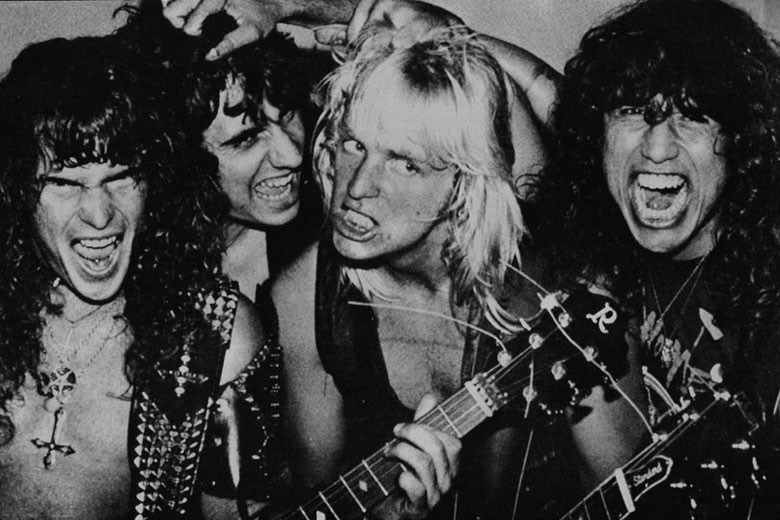
Slayer: Masters of Speed and Chaos
Click HERE for our Slayer collection
When it comes to thrash metal, few bands have pushed the boundaries of speed, aggression, and brutality like Slayer. Known for their relentless riffs, dark themes, and ferocious live performances, Slayer helped define the thrash metal genre and left an indelible mark on heavy metal history. Their music was fast, intense, and controversial, touching on topics like death, war, religion, and the darker side of human nature. Slayer’s sound was a force of nature, and their albums continue to influence countless bands across the metal spectrum.
The Formation of Slayer: Speed, Darkness, and Aggression
Slayer was formed in 1981 in Huntington Park, California, by guitarists Kerry King and Jeff Hanneman, drummer Dave Lombardo, and vocalist/bassist Tom Araya. Initially playing cover songs from bands like Iron Maiden and Judas Priest, Slayer quickly developed their own sound—faster, darker, and more brutal than anything else on the scene. Alongside bands Metallica, Megadeth, and Anthrax, known as 'The Big Four', Slayer helped shape the thrash metal movement, but what set them apart was their unrelenting intensity and provocative subject matter.
From the beginning, Slayer’s music was steeped in controversy, often dealing with themes of death, religion, and the occult. Their raw, unfiltered approach to metal made them notorious but also earned them a fiercely loyal fanbase.
Reign in Blood: A Thrash Masterpiece
In 1986, Slayer released Reign in Blood, an album that would go down in history as one of the most influential thrash metal records of all time. Produced by Rick Rubin, the album was a 29-minute assault on the senses, featuring some of the fastest, most aggressive music ever recorded. Songs like "Angel of Death" and "Raining Blood" became instant classics, showcasing Slayer’s ability to blend speed, technicality, and brutality like no other band.
"Angel of Death", in particular, sparked controversy due to its graphic lyrics about Nazi doctor Josef Mengele, but the band maintained that it was a historical commentary rather than an endorsement. Despite the backlash, Reign in Blood was a commercial and critical success, helping Slayer break into the mainstream and solidifying their place as one of thrash metal’s leading bands.
Reign in Blood remains a cornerstone of thrash metal and is still hailed as one of the genre’s defining albums.
South of Heaven and Seasons in the Abyss: Expanding the Sound
In 1988, Slayer followed up Reign in Blood with South of Heaven, a slower and more melodic album compared to their previous work. While it didn’t match the blistering pace of Reign in Blood, South of Heaven showcased Slayer’s ability to evolve without losing their edge. Tracks like "Mandatory Suicide" and the title track demonstrated a darker, more atmospheric side to the band, while still maintaining the aggression that fans had come to expect.
Two years later, in 1990, Slayer released Seasons in the Abyss, an album that balanced the speed and brutality of Reign in Blood with the more melodic approach of South of Heaven. Songs like "War Ensemble" and "Dead Skin Mask" became fan favourites, with Seasons in the Abyss often considered one of Slayer’s most well-rounded albums. The title track, "Seasons in the Abyss", is a haunting masterpiece, blending eerie melodies with crushing riffs, demonstrating the band’s full range of musical prowess.
Together, South of Heaven and Seasons in the Abyss showcased Slayer’s ability to diversify their sound while staying true to their thrash metal roots.
God Hates Us All: Slayer’s Brutal Return
By the time Slayer released God Hates Us All in 2001, the metal scene had evolved, but Slayer remained as uncompromising as ever. The album, released on September 11, 2001, reflected the anger and aggression of the times with a raw, stripped-down production and lyrics that tackled themes of hate, violence, and religious hypocrisy. Tracks like "Disciple" and "Bloodline" demonstrated Slayer’s continued ability to push the boundaries of speed and heaviness.
While God Hates Us All was a departure from the more polished sound of Seasons in the Abyss, it resonated with fans who appreciated Slayer’s unapologetic brutality. The album proved that even after two decades, Slayer hadn’t lost their edge and could still create music that was as furious and relevant as ever.
Notable Gigs: Slayer’s Legendary Live Shows
Slayer’s live performances were the stuff of legend. Known for their ferocious energy and chaotic stage presence, Slayer concerts were a visceral experience, with the band delivering their songs at breakneck speed and fans responding with mosh pits, headbanging, and all-out mayhem.
- Monsters of Rock, 1992: Slayer played to a massive crowd at the Monsters of Rock festival in Russia, sharing the stage with bands like Metallica and Pantera. This historic gig came at a time when metal was at its peak, and Slayer’s blistering set solidified their reputation as one of the most intense live bands in the world.
- The Big Four Shows (2010-2011): In one of the most iconic moments in metal history, Slayer shared the stage with Metallica, Megadeth, and Anthrax for a series of concerts that brought together the Big Four of thrash metal. These shows were a dream come true for metalheads, with Slayer delivering a set packed with classics like "Raining Blood", "Angel of Death", and "South of Heaven".
- Final World Tour (2018-2019): Slayer announced their retirement in 2018 and embarked on a massive final world tour. The shows were a celebration of Slayer’s legacy, with the band delivering career-spanning sets to sold-out crowds. The final tour was a bittersweet moment for fans, as it marked the end of an era for one of the most influential bands in metal history.
Band Members: The Faces of Slayer’s Brutality
Slayer’s music was powered by the unique talents of its members, each bringing their own ferocity and precision to the band’s sound.
- Tom Araya, the band’s vocalist and bassist, is known for his piercing screams and commanding stage presence. His ability to switch between rapid-fire vocals and haunting melodies helped define Slayer’s sound.
- Kerry King, the lead guitarist, is a thrash metal icon, known for his blistering solos and signature chain-link guitar straps. His fast, aggressive playing style is a cornerstone of Slayer’s music.
- Jeff Hanneman, Slayer’s co-founder and rhythm guitarist, was the primary songwriter for many of the band’s most iconic tracks. His influence on Slayer’s sound and themes of war, death, and destruction was profound, and his untimely death in 2013 marked the end of an era for the band.
- Dave Lombardo, Slayer’s original drummer, is considered one of the greatest drummers in metal, known for his lightning-fast double bass and precision. His drumming on albums like Reign in Blood set the standard for thrash metal.
After Lombardo’s departure, Paul Bostaph took over the drums, bringing his own ferocious style to albums like God Hates Us All and Repentless.
Slayer’s Legacy: Thrash Metal Immortality
For nearly four decades, Slayer reigned as one of the most influential and uncompromising bands in metal. Their music pushed the boundaries of speed and brutality, and their controversial themes sparked debates while winning them a devoted fanbase. Slayer’s legacy is immortal, with their albums standing as blueprints for the thrash and extreme metal genres. Even after their retirement, Slayer’s influence can be heard in countless metal bands around the world.
At Eyesore Merch, we pay tribute to Slayer’s legendary career with a selection of 100% official merchandise that celebrates their unrivalled contribution to heavy metal. From t-shirts and hoodies to records and accessories, our Slayer collection has everything a die-hard fan could want. Whether you’ve been in the mosh pit at one of their legendary gigs or just discovered their music, our Slayer merch will keep the spirit of speed and chaos alive. Shop now and earn Eye Points as you honour one of the greatest metal bands of all time!