null
×close
×close
×close

Metal

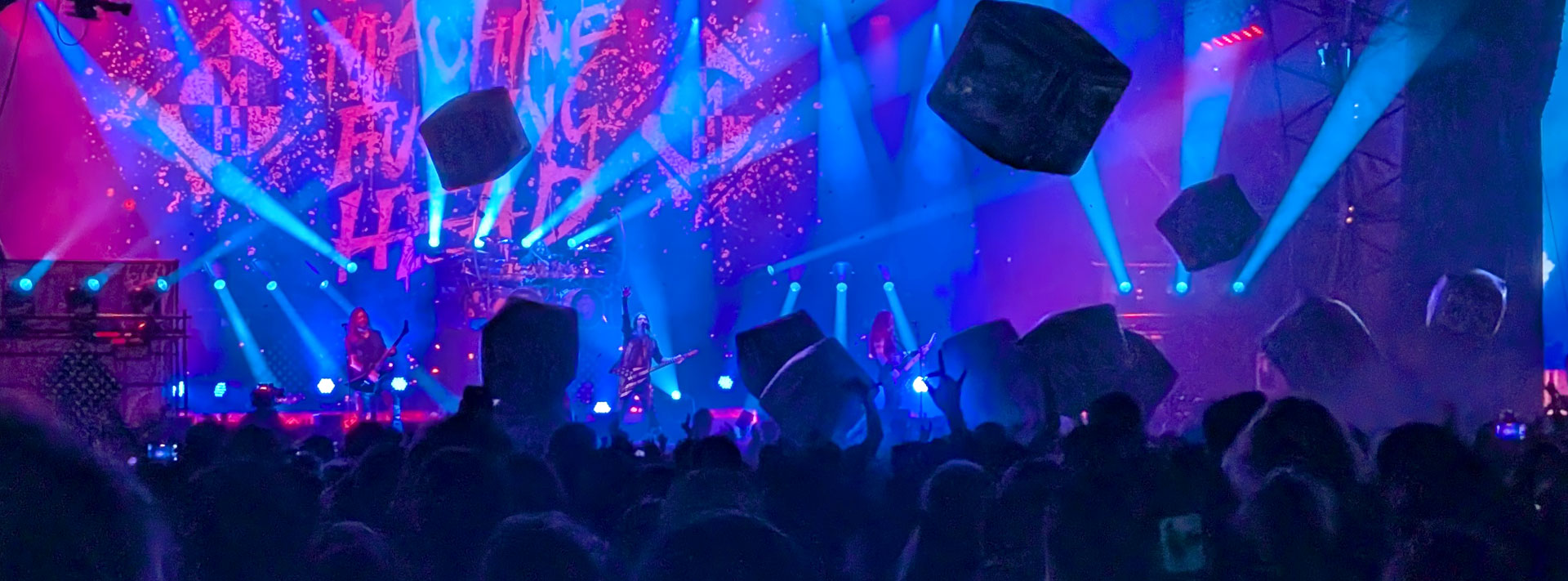
A photo of Machine Head live at Bloodstock 2025 to head out Eyesore Merch's "Metal" Music category

Metal music, ready to spin

Metal belongs on physical formats — vinyl, CDs and cassettes.

Quick routes: Shop bands A–Z  |  Music Hub  |  Metal band merch

Need a quick subgenre cheat-sheet?

Thrash, death, black, doom… If you want the quick break down of the various different corners of Metal try this:

Or if you fancy taking a look at other areas of the musical spectrum take a look at these...


Here is a bunch of our favourite Metal bands to get you started — Vinyl Records, CDs, Cassette Tapes and more...

Iron Maiden Megadeth Tool Dio Opeth Type O Negative Cradle Of Filth Cannibal Corpse Death Electric Wizard Emperor Bathory

If you want to get a bit more specific, take a look at these Metal subgenres...

24 Products

Metal on vinyl, CD & cassette – heavy listening in physical form

Metal’s built for physical formats. The artwork is part of the experience, the liner notes matter, and a good record (or a properly loud CD) just feels different when it’s in your hands. This Metal section brings together releases from across the genre — from the classic pillars to the more extreme corners — so you can browse by subgenre, by format, or just follow the riffs.

Choose your format

  • Metal vinyl – the full collector experience: sleeves, inserts, variants and big artwork
  • Metal CDs – practical, punchy, and often the easiest way to build a big library
  • Metal cassettes – small, fun, and perfect for limited runs and retro vibes
  • Metal pre-orders – lock in upcoming releases and limited editions early

Metal subgenres at a glance

Metal is a family tree, not a single sound. If you’re not sure where to start, these quick signposts help:

  • Heavy Metal – classic riffs, big choruses, the blueprint
  • Thrash Metal – faster, sharper, built for adrenaline
  • Death Metal – heavier and more intense, from raw to technical
  • Black Metal – atmosphere, edge, frostbitten energy
  • Doom – slow, crushing, riff-forward and moody
  • Groove Metal – thick rhythms and head-nod momentum
  • Metalcore – modern heaviness with hardcore punch and hooks
  • Nu Metal – bounce, attitude, big late-90s/00s energy
  • Industrial – mechanical grooves, electronics and bite
  • Post Metal – cinematic builds, texture, huge crescendos
  • Progressive Metal – odd times, big ideas, serious musicianship
  • Grindcore – fast, chaotic, uncompromising (blink and you’ll miss it)

New to metal? Here’s an easy way in

If you’re coming in fresh (or buying for someone else), you don’t need a PhD in subgenres. Try this:

  • Start with the classics: Black Sabbath, Judas Priest, Iron Maiden and Metallica are the roots a lot of modern metal grows from.
  • Pick your intensity: Heavy Metal → Thrash → Death/Black is a common “turning it up” path.
  • If you like big riffs: Doom and Groove are riff-first and easy to feel straight away.
  • If you like modern punch: Metalcore and Nu Metal tend to bring the biggest hooks and energy.

A quick guide to what makes each style tick

Below is a simple, non-gatekeepy cheat sheet — enough context to help you choose, without telling you how to enjoy your music.

  • Heavy Metal / NWOBHM – the foundation: melodic leads, twin guitars, anthems, and that “classic metal” feel.
  • Thrash – speed and precision: palm-muted riffs, sharp rhythms, and high-energy songwriting.
  • Death Metal – heavier and more aggressive: from raw brutality to highly technical playing and complex arrangements.
  • Black Metal – atmosphere and edge: tremolo riffs, icy textures, and a focus on mood as much as power.
  • Doom – slow and immense: huge riffs, space to breathe, and weight you can practically lean on.
  • Grindcore – extreme speed: short blasts of chaos with punk DNA and metal heaviness.
  • Groove Metal – rhythm-driven: thick guitars, big swing, and riffs designed for movement.
  • Metalcore – modern heaviness: hardcore influence, breakdowns, and big “hit” moments.
  • Nu Metal – bouncy and bold: groove-forward, often more direct, with a big 90s/00s cultural footprint.
  • Industrial – mechanical power: tight, repetitive hooks, electronic textures, and a cold, punchy feel.
  • Post Metal – cinematic builds: long arcs, dynamics, and “wall of sound” climaxes.
  • Progressive Metal – technical and exploratory: odd time signatures, concept-level songwriting, and big variety.

Metal FAQs (quick answers)

  • What’s the difference between thrash and death metal? Thrash is typically faster and more “riff/shout” driven; death metal usually goes heavier with deeper vocals and more intensity.
  • Are cassettes still a thing in metal? Yep — especially for limited runs, underground scenes, and collectors who like the old-school format.
  • What does “blackened” mean? Usually a mix: a genre that blends another metal style with black metal atmosphere or techniques.
  • Why do people collect metal on vinyl? Big artwork, collectable pressings, and the ritual of playing a record — it’s part listening, part experience.